Most brands only communicate with their customers when they have something to sell. A promotion, a holiday campaign, or a product launch becomes the moment they suddenly remember to show up. Then, once the campaign ends, communication disappears.
Customers notice this pattern, and over time, it erodes trust.
In 2026, consistent customer communication is no longer optional. It is one of the clearest signals of whether a brand is reliable or simply reactive.
Silence Is Still Communication
When a brand goes quiet for long periods and resurfaces only with offers, the message customers receive is simple: this relationship is transactional.
Customers do not expect to be contacted every day, but they do expect consistency. Regular communication creates familiarity, and familiarity builds trust. Brands that stay present, even during quiet periods, feel more stable and intentional.
Silence, on the other hand, makes a brand easy to replace.
Promotions Should Not Be the Only Touchpoint
If the only time customers hear from a brand is during promotions, the relationship is already fragile.
Strong brands communicate beyond sales. They share updates, explain changes, and keep customers informed without always asking for something in return. This approach strengthens customer trust, improves customer experience, and makes future promotional messages feel natural rather than intrusive.
When communication is consistent, selling becomes easier because the relationship already exists.
Why Direct Customer Communication Matters More Now
Social platforms change, algorithms shift and reach becomes unpredictable
(https://blog.hootsuite.com/social-media-algorithm/).
This is why brands are rethinking their dependence on social platforms and prioritising direct communication channels
(https://blog.hubspot.com/service/customer-communication).
Direct communication gives businesses control. It allows brands to reach customers clearly and consistently, without competing for attention or relying on platform visibility. More importantly, it helps brands build long-term relationships instead of short-term spikes.
How RCS and Truecaller Support Modern Customer Communication
This is where RCS messaging comes in (https://www.gsma.com/futurenetworks/rcs/).
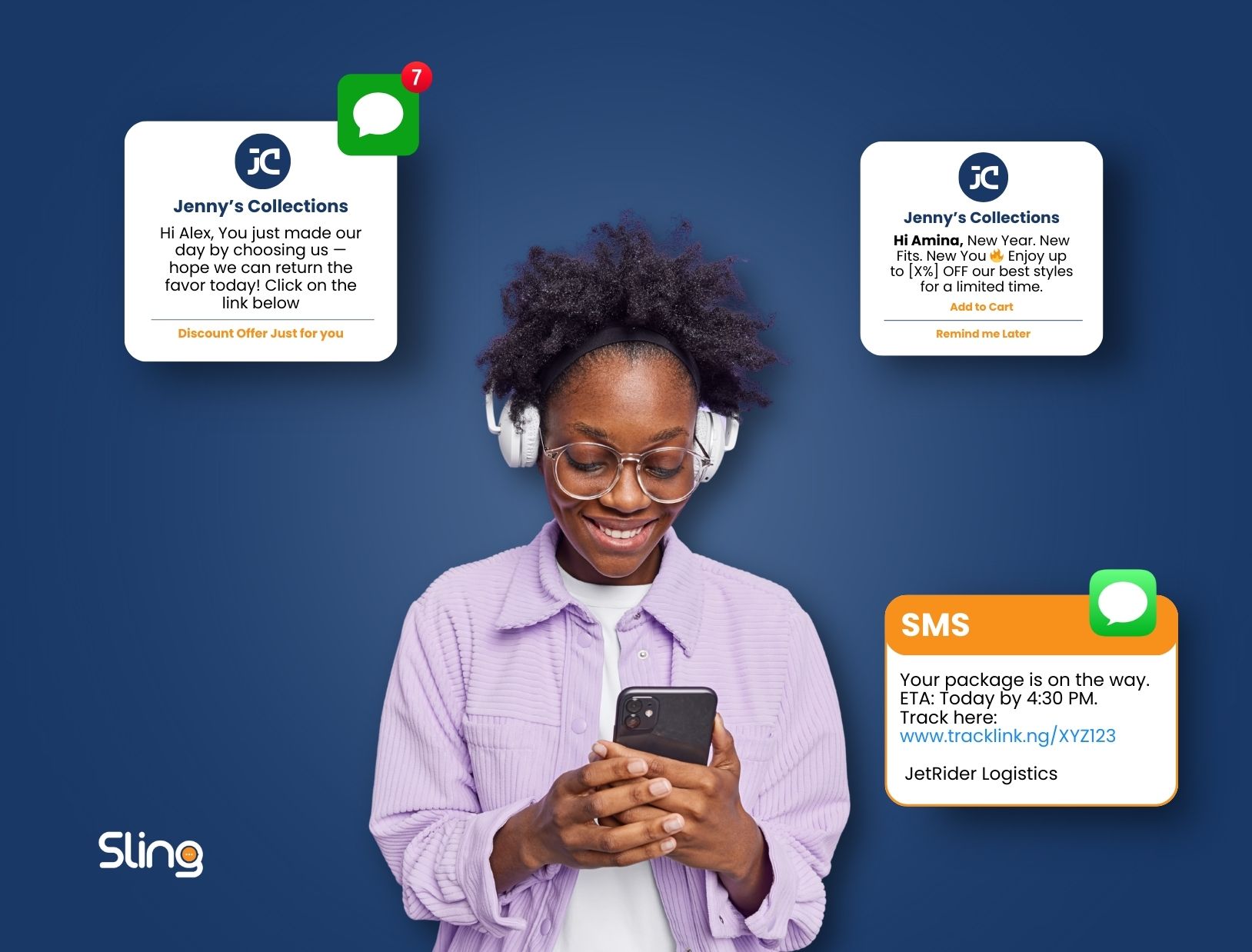
RCS allows brands to send richer, more interactive messages that feel personal and trustworthy, not generic or spammy. Customers can see branded messages, visuals, and verified information, which improves engagement and response rates.
Alongside this, Truecaller Verified Business messaging (https://www.truecaller.com/business) helps brands show up with identity and credibility. Customers instantly recognise who is contacting them, reducing mistrust and increasing response.
Together, Sling helps brands communicate with clarity, consistency, and confidence, turning direct messaging into essential infrastructure, not just another marketing tool.
Final Thoughts
Customer communication is not a seasonal activity. It is an ongoing commitment.
Brands that only show up when they want to sell will continue to struggle with trust and retention. Brands that communicate consistently will stand out, not because they are louder, but because they are reliable.
In 2026, the brands people trust will be the ones that never went silent.
Getting started is easy. With Sling, you can set up direct customer messaging in minutes and start communicating clearly, consistently, and on your own terms within 24 hours.
Start building trust with Sling today.